The true measure of great architecture lies in how people feel when they step inside. Whether it is a fast-paced retail outlet in Nairobi, a cultural hub in Eldoret, or a serene holiday getaway in the Rift Valley, interior design and hospitality architecture shape human experiences.
By focusing on spatial flow, corporate branding, and regional materials, designers are completely redefining commercial and recreational spaces.
The Power of Specialized Interiors: From Culture to Technology
Interior architecture is about translating an organization’s identity into a physical layout. Two completely contrasting projects in Kenya highlight this beautifully:
- Eldoret Alliance Française Renovations (Uasin Gishu County): Transforming a cultural and educational hub requires careful consideration of acoustics, lighting, and flexibility. The interior design of this branch focuses on creating an open, inspiring environment tailored for language learning, administrative flow, and vibrant cultural exhibitions.
- Royaltech Computers Interior Design (Nairobi County): Commercial tech environments demand high-efficiency layouts. This project blends a sleek, tech-forward aesthetic with interactive product display zones and optimized customer service points, proving that a smart interior layout can directly boost business operations and brand loyalty.
Escape Architecture: Designing the Ultimate Holiday Retreat
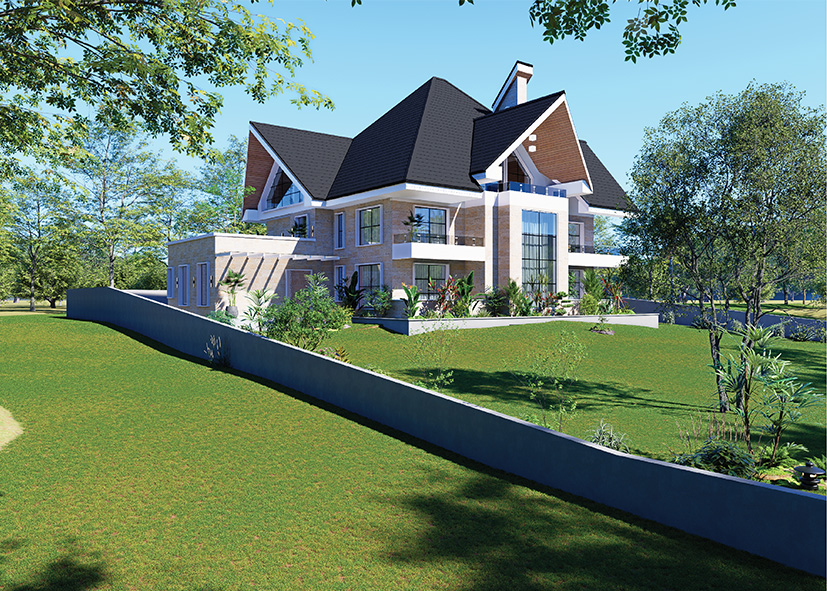
On the opposite side of the spectrum lies recreational architecture, where the primary objective is relaxation, escapism, and harmony with nature. Kenya’s diverse landscapes offer the perfect backdrop for bespoke holiday cottages.
- Biretwo Holiday Cottages (Elgeyo Marakwet County): Perched in a scenic regional landscape, these cottages balance rustic regional charm with modern conveniences, creating an inviting getaway that boosts the area’s hospitality profile.
- Tsavo Holiday Cottages (Taita Taveta County): Situated near one of the world’s most famous wildlife ecosystems, this development leverages sustainable, eco-conscious architectural elements. The design allows visitors to immerse themselves in nature without sacrificing luxury.